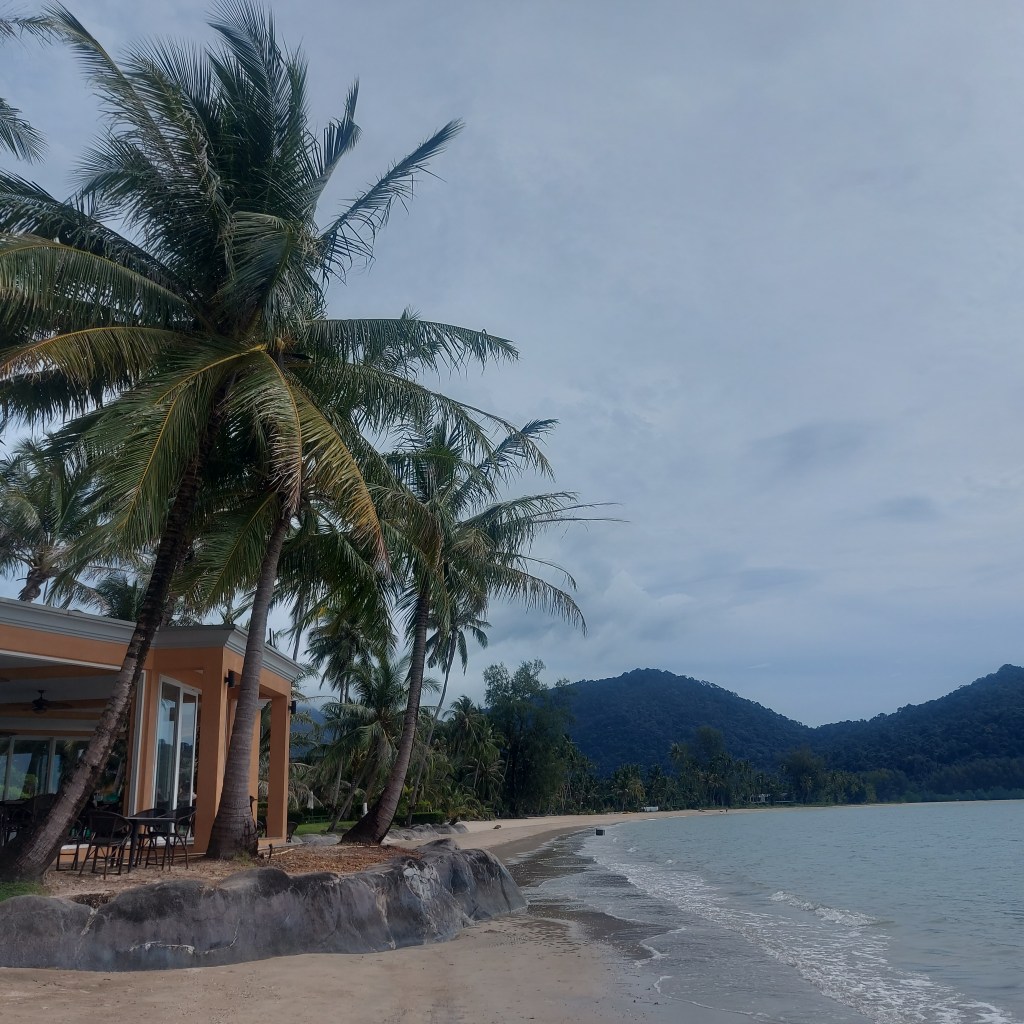
Since my recent image of where I live on the East Coast of Thailand showed a lot of traction on my group, New to International School Teachers, I thought I’d refocus on choosing where in the world to apply for roles, focusing on my experiences, as this is where I am knowledgeable. For an in-depth consideration of all the factors contributing to understanding where in the world to work, look at my guide.
Remember, my pros and cons are quite generalised and specific to my experiences, others may feel differently.
Europe
Pros- Close to home (UK), well-established systems in place (governments), opportunities to explore other countries.
Cons- (Generally) poor salary and little benefits, weather in comparison to Asia/UAE (if heat is your thing), not quite the adventure of countries further afield, possibility of low English depending on the country, often lower salaries than elsewhere with little or no benefits (including paying for child tuition)
It’s no revelation that central Europe did not suit me. But this isn’t the case for every international teacher.
For a first-time UK international teacher, there are many advantages. International schools often attract a younger crowd in my experience, which can be great if you are in that demographic. Salary and benefits are often less than the UK, but in some countries (such as Eastern Europe and Spain) the cost of groceries and eating out can be much lower. Spain and Portugal offer experiences after school as the weather is an improvement to the UK and the lifestyle is known to come alive in the evenings.
Living in Poland, I can say this was my closest experience to living in the UK, with only the language being a barrier. Everything else (shopping, transport, museums, activities) functioned much like the UK or better! So culture-shock can be less of a worry. A quick 2-4 hour flight and you can be back in Blighty. For teachers relocating from Australia or the US, Europe can almost be exotic (on the opposite side of the world), and undeniably beautiful with old towns and castles highly accessible. Both Australia and the US are huge continents so travelling short distances can allow for many sights or even hopping countries!
One thing to note: as the UK is not part of the EU, British citizens need to apply for visas just as any other non-EU nationality does. The school should either complete this process for you or give you support. In my experience, my Visa took 5 months to be cleared in Poland, the longest period I have had to wait in all my international teaching placements.
Asia
Pros: Climate,climate,climate!, cuisine, locals, often large foreign worker communities, abundance of schools to choose from with different curricula (often many in one city), holiday opportunities, in tourist areas English is usually widely spoken, (mostly) good salary and benefits (including child tuition).
Cons: Distance from home, weather (monsoons/earthquakes), unfamiliarity.
Having experienced living in both South-East Asia and East Asia, it is good to emphasise that the two areas are quite different to one another. I found Japan (2004-2006) and Taiwan (2018-2022) highly organised and structured. In both countries, English was not spoken widely, including in holiday destinations (although I admit my experience of Japan is very dated!) However, these were quite ‘easy’ places to begin as an international teacher, with plenty of things to see and do. Foreign food/restaurants could be found but were pricey. In Taipei, the community of foreign teachers was quite small. In both countries, I found it hard to break free of the teacher ‘bubble’, as activities for foreign workers were hard to come by. In Taiwan I connected with other local and foreign teachers through the launch of #WomenEd, however, my connections with Taiwanese were very limited.
In South-East Asia (2011-2018) (2024-ongoing) I have found the community easier to connect with. My daughter spent the first half of her life in Vietnam and we have built very special memories there, and connections that still exist. In both Vietnam and Thailand, I have experienced the connection with local people to be easier to make. This has not centred around my then-daughter’s nursery or now school, but in community-inclusive events. Some of these events I organised myself, but others I found through Facebook and word of mouth.
In South-East Asia I found the cuisine fantastic, the holidays/weekends away a huge bonus, and as I shared yesterday, my general surrounds to be more than I could have hoped for. This is likely as it fits me, as the country you chose to relocate to must fit you. As Mo Gawdat and others have said, happiness depends on your expectations in relation to the reality. My reality constantly supersedes my expectations here.
Where to work
When you consider where to work, if you are not single you have others’ expectations to factor in. I know that my happiness is not enough. As far as I am concerned, the triangle of my family unit must be in sync with one another. This is why the move back to South-East Asia was a family discussion, as was the school we chose to apply to. The pedagogy of the school fits exactly with my husband’s interests, so he is stimulated and excited about work. The school is a good fit for my daughter, offering her a close-knit community where she is excelling.
We often discuss if one of us is not happy, it’s time to reconsider our school/location. I know first-hand how difficult it can be for a child if a parent(s) is not content in their work. Therefore this balance must be met for all.
Do share your insights on this post of ‘best places’ to work for you/you and a partner or family unit. I’d love to hear!
Ways to connect with me:
Via LinkedIn http://www.linkedin.com/in/jess-gosling
Via X @jessgosling2
Via Instagram @internationalteachertravel
Via Facebook https://www.facebook.com/groups/newtointernationalschoolteachers/
Website: http://www.jessgoslingearlyyearsteacher.com
Purchase my book here.
 New to International Teaching with Jess Gosling