
Earlier this year I published a blog, “Preparing for International Schools: expanding your CV”, where the emphasis was on how to increase your chances at being hired at an international school.
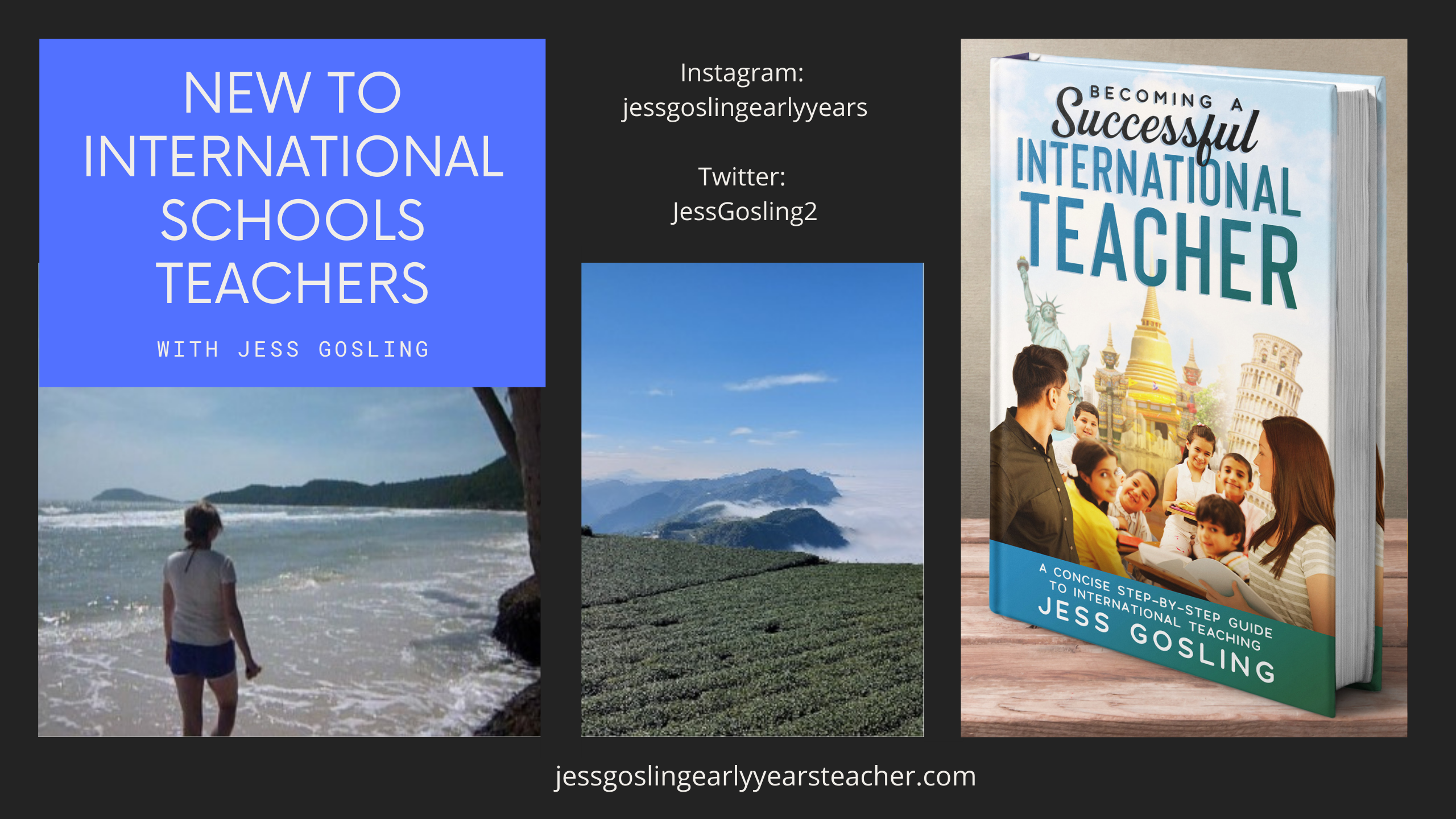
In this blog, I offer more detail about your “bare-bones” CV where certainly for British Schools, you would be likely to cut and paste into their application forms. I have also experienced this in IB schools following the National Curriculum, however, I heard from Kelley Ridings that American curricula schools can still request a full CV or Resume. Smaller schools tend to not have the level of HR found in the larger, umbrella-group international schools, therefore they can also ask for a CV/Resume. All quotes for this blog come directly from my publication, Becoming a Successful International Teacher (2021), a value-for-money, in-depth guide to the application process through to settling.
Developing your CV
“When you create your CV, make sure the content and style matches what the school are looking for.” (p.54).
You are marketing yourself and your new school will be looking for people that ‘fit’, just as much as you are searching for a school you can be happy in. Work through each page on their website/newsletters/posts on Social Media as well as any Vision/Learning Charter they adhere to. Your CV should mirror and provide evidence that you support and follow a similar vision.
Include a photo or QR code? Personal information?
There is no requirement (unless specifically requested) to include any of the above. Personally, I do not include marital status, etc. here but instead in my cover letter, so the school is aware of potential dependants. A QR code can be a nice addition if you have space, but make sure there is a real reason for it. You can showcase something that highlights all your work in education, for example, such as a website. In terms of a personal photo, if you are not asked for one you do not need to provide one. Some teachers do include a photo to offer a ‘face’ to a name, but should you add one, make sure it is a professional shot.
Personal statement/career summary
This should be at the top of your CV and be a concise summary of your roles, strengths and aspirations. This is not a place to list each role, but instead would start with…’With over 10 years experience in…..’
Work experience first or education?
I have changed my mind about this several times! I always began with work experience, however, in later years with a Masters in Early Years I was advised to showcase this right at the top. So this really is dependent on what you want to showcase.
When listing qualifications/roles ensure they are reverse chronological, feature the school name/country and dates worked. If you have any gaps (such as maternity leave) state why. After detailing each role, provide statements of what you did (carefully matching to the job specification) and what the impact was for the school and children. As you reach roles further in your past, provide less detail and only write what may differ from your most recent roles.
Should I include training/voluntary work?
Short answer – yes! But make sure that training is relevant to your potential new role. I would argue all voluntary work is valuable, especially when it involves the wider community.
How to format the CV
The best CVs I have seen are produced on either Word or Canva.
They are not super jazzy, but informative and clear.
“By using clear formatting and sectioning on your CV, it will be easier to read, which is especially important if the school uses an Applicant Tracking System (ATS). As some schools recieve huge numbers of appplications, they must use this software to search for specific keywords and qualifications in order to ensure candidates match the job description” (p.55)
Hence the importance of carefully matching the job description/personal specification with your wording in your CV. You do not want to be rejected on this first step!
How should I send my CV?
To ensure that the format remains intact, use a PDF rather than a Word file or similar. In Canva you can download as PDF. If you are requested to use and apply with a particular format, make sure you follow the instruction.
Any final thoughts?
Re and re-read your CV! Ensure:
Correct tenses (previous positions are past tense, current position present)
Formatting is consistent throughout – check font size, any changes in font for certain headers are used on the whole document
Spellcheck more than once!
Have a friend check your CV/Resume
Limit your CV to ideally two, maximum 3 pages – referees can be included on a seperate document
Do you need further help?
You can watch CV clinics I created with Women Ed here and here.
You can view a recruitment webinar (with a Resume/CV discussion) created with fellow authors, Kelley Ridings and Amy Melton.
If you want me to help you develop your CV, or support you on your first job search, I offer these services.
Ways to connect with me:
Via LinkedIn http://www.linkedin.com/in/jess-gosling
Via X @jessgosling2
Via Instagram @internationalteachertravel
Via Facebook https://www.facebook.com/groups/newtointernationalschoolteachers/
Website: http://www.jessgoslingearlyyearsteacher.com
Purchase my book here.
 New to International Teaching with Jess Gosling